Start with what this evidence is and is not
No randomised trial has tested which foods to avoid on semaglutide. There is no study where one group ate fried food and another did not. Any page telling you otherwise is overstating what exists.
What we do have is well-established physiology about what slows gastric emptying and irritates a stomach, a drug whose main side effects come from exactly that, and consistent clinical advice built on the two. That is a reasonable basis for guidance. It is not the same as trial evidence, and we would rather say so.
Why food matters more than usual on this drug
Semaglutide already slows how fast your stomach empties. That is not a side effect to be engineered around, it is part of how the drug works.
So anything that slows gastric emptying further, or adds volume, or irritates the stomach lining, is landing on a system already operating with less margin than you are used to. The same meal that was unremarkable before can be genuinely unpleasant now.
High-fat and fried foods
This is the single highest-yield change, and if you only do one thing, do this one.
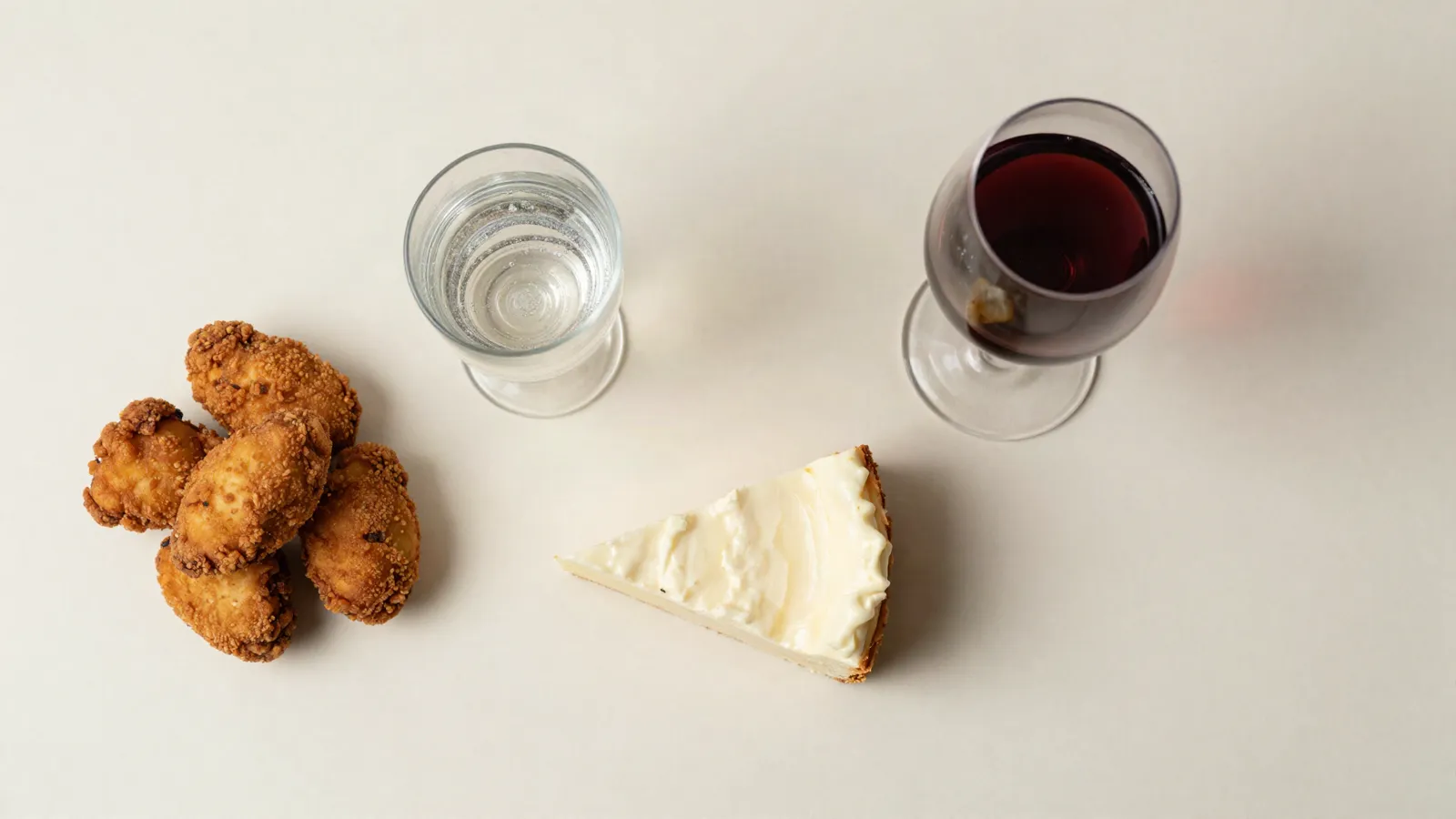
Fat is the most potent dietary slower of gastric emptying there is. Adding a large fat load to a stomach that is already emptying slowly is the most reliable way to produce several hours of nausea, fullness and reflux.
This is not an argument for a no-fat diet. Fat matters for satiety, for absorbing fat-soluble vitamins and for food being worth eating. It is an argument against large fat loads in a single sitting, particularly in the days after a dose increase.
Large portions, whatever they contain
Volume alone is a problem independent of composition. A stomach that empties slowly holds what you put in it for longer, and the discomfort is mechanical.
Smaller amounts more often works better than three meals the size you are used to. Most people find this out the hard way once.
Alcohol
Several things stack here. Alcohol irritates the stomach lining, contributes to dehydration, and in a slow-emptying stomach behaves differently than you may expect.
Many people also report their tolerance drops noticeably on these drugs, sometimes substantially. That is a widely reported experience rather than a well-characterised one, but it is reported often enough to plan around.
If you also take insulin or a sulfonylurea, alcohol adds meaningful hypoglycaemia risk on top of everything else.
Carbonated drinks
Gas plus a stomach that is emptying slowly produces distension and discomfort, and it tends to make people feel full without having eaten anything useful. Fizzy water is not dangerous, it is just often unpleasant.
Very sugary foods and drinks
Concentrated sugar tends to be poorly tolerated, and some people get symptoms resembling dumping syndrome: nausea, cramping, sweating and loose stool shortly after eating.
Sugary drinks are the worst version of this, because they deliver the load fast and provide nothing that helps you.
Spicy and very acidic foods
Reflux is common on these drugs, partly because food sits longer. Chilli, citrus, tomato-heavy dishes, coffee on an empty stomach and vinegar-based foods all tend to make reflux worse if you are already getting it.
If you are not getting reflux, none of this needs to change. This is a list to work through when you have a symptom, not a set of blanket prohibitions.
Low-fibre, ultra-processed patterns
Constipation is one of the most persistent effects of this drug and one of the few that does not fade with time. A diet built on refined, low-fibre foods makes it considerably worse.
This is less about avoiding specific items and more about what is missing from the overall pattern.
Timing matters as much as content
The days right after a dose increase are the hardest window, typically two to four days after the injection rather than on the day itself.
If you are going to eat something rich, or drink, the more tolerable time is usually late in the weekly cycle rather than right after a step up. Plan around your own pattern once you know it.
The mistake that matters more than any food on this list
The bigger risk on this drug is not eating the wrong thing. It is eating far too little of the right things, because appetite has fallen off a cliff and nothing appeals.
Cutting foods aggressively on top of a drug that has already cut your intake is how people end up under-eating protein, losing more lean mass than necessary, and feeling terrible for reasons that have nothing to do with the medication. Avoid what causes you symptoms. Do not treat this page as a licence to eat less overall.
One rule that is not about side effects
If you take oral semaglutide rather than the injection, the food rules are different and stricter. It must be taken on an empty stomach with no more than about 120 ml of plain water, and you wait at least 30 minutes before eating, drinking anything else, or taking other medication. Getting this wrong does not cause side effects, it just means the dose largely does not absorb.
Sources
- Camilleri M. Peripheral mechanisms in appetite regulation. Gastroenterology. 2015;148(6):1219-1233.
- Friedrichsen M, et al. The effect of semaglutide 2.4 mg once weekly on energy intake, appetite, control of eating, and gastric emptying in adults with obesity. Diabetes Obes Metab. 2021;23(3):754-762.
- Almandoz JP, et al. Nutritional considerations with antiobesity medications. Obesity (Silver Spring). 2024;32(9):1613-1631.
- Wegovy (semaglutide) injection, prescribing information. Novo Nordisk.
- Rybelsus (semaglutide) tablets, prescribing information. Novo Nordisk.